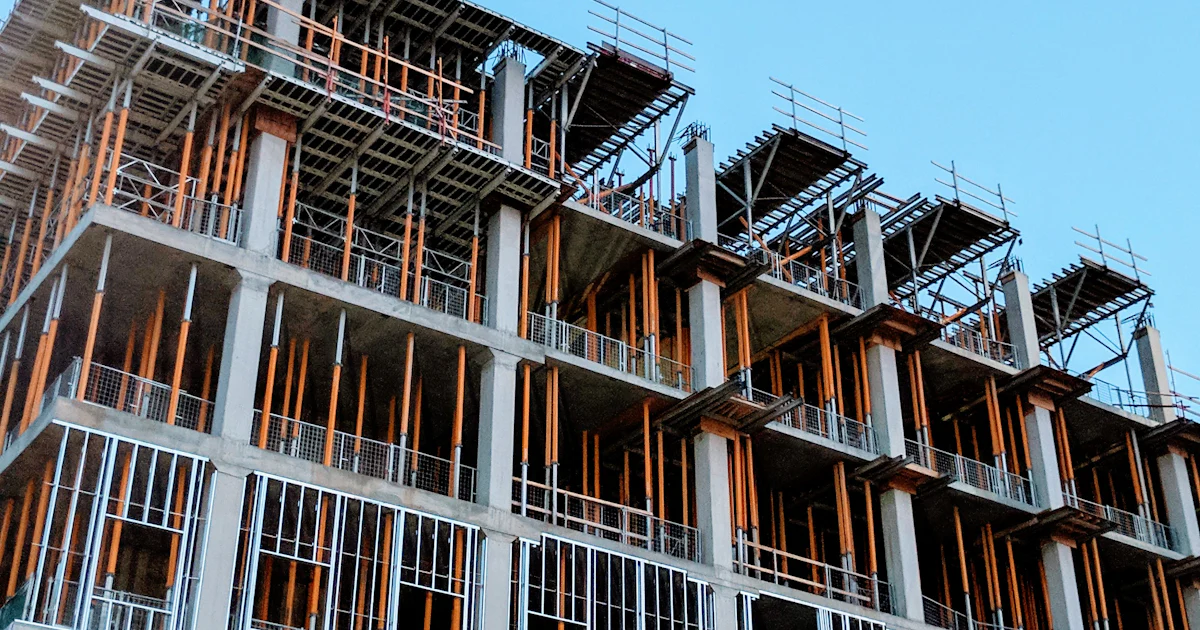
Construction sites are among the hardest places to guard. They are large, open and constantly changing, full of valuable tools, plant and materials, and empty for most of the night. Theft, vandalism and trespass can delay a project and trigger insurance claims, so contractors want proof that guarding was actually delivered.
DutyFlex helps security companies and contractors' own security teams protect construction sites with verified check-ins, patrol checkpoints that follow the site as it grows, and billing that reflects each phase of the project.
The security challenges of construction sites
- Large, open perimeters. Hoardings, temporary fences and multiple vehicle gates make it hard to cover the whole site.
- Night and weekend exposure. Sites are mostly empty outside working hours, which is when theft of copper, fuel, tools and plant typically happens.
- A site that keeps changing. As the build progresses, gates move, new floors open and patrol routes need updating.
- Remote locations. Some projects are far from your other sites, so supervisors rarely visit and depend on remote information.
- Insurance and disputes. After a loss, contractors and insurers ask whether a guard was on site and patrolling at the time.
How DutyFlex supports construction security
Geofences that fit the site
Draw the geofence around the actual site boundary, including compounds and laydown areas, and adjust it as the project changes. Guards can only check in when they are inside. See how geofencing works for security guards.
Patrols across an open site
Fix weatherproof QR checkpoints at gates, plant compounds, fuel stores, site cabins and upper floors. Guards scan each one on their rounds, creating a time-stamped record of the whole patrol.
Evidence when something goes missing
If materials disappear, you can show exactly which guard was on duty, when they checked in, and which checkpoints they scanned that night. Every edit to attendance is recorded in the audit log, which helps when a client or insurer reviews the evidence.
Coverage that changes with the project
Add or remove posts as the project moves from groundworks to fit-out, and keep the schedule, attendance and billing in step. Our 24/7 coverage guide helps you plan headcount for round-the-clock sites.
Billing per project
Invoice each project from verified hours, with extra cover for deliveries, crane lifts or holiday shutdowns on separate lines. This keeps billing clear when several contractors share a site.
A typical construction deployment
| Post | Typical coverage | How DutyFlex verifies it |
|---|---|---|
| Main site gate | Nights and weekends | Geofenced check-in plus gate QR code |
| Perimeter patrol | Regular rounds overnight | QR checkpoints on hoardings and compounds |
| Plant and fuel compound | Overnight | Checkpoint scans on each round |
| Holiday shutdown | Continuous cover | Extra shifts billed separately |
Frequently asked questions
How do you secure a construction site at night?
Combine guards on the main gates with regular perimeter patrols that scan checkpoints at compounds, fuel stores and other high-value areas, and alert supervisors immediately if a guard misses a check-in.
How do you prove a guard was patrolling when theft happened?
Use time-stamped checkpoint scans and geofenced check-ins. These show the guard's presence and patrol route during the shift, backed by an audit log of any changes.
Can patrol routes change as the building goes up?
Yes. Add, move or retire checkpoints and posts at any stage, so patrols always reflect the current layout of the site.