
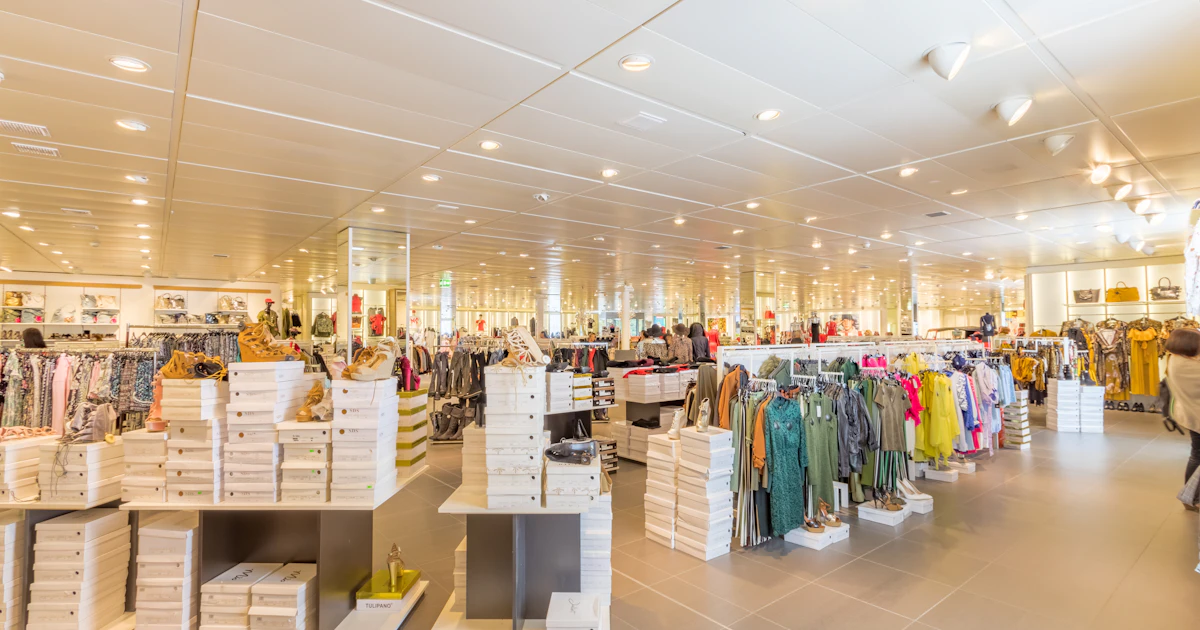
Retail security runs on presence. A visible guard at the entrance deters theft, a floor walker spots trouble early, and a reliable closing check protects stock overnight. For a security company with retail clients, the difficulty is doing this across dozens or hundreds of stores and mall units, each with its own opening hours, and billing every store accurately.
DutyFlex helps retail security teams cover every store and mall post on time, verify that guards are where they should be, and invoice each location from real attendance.
The security challenges of retail stores and malls
- Many locations, few guards per site. Retail contracts are often spread across many stores with one or two guards each, which makes supervision difficult.
- Opening hours that vary. Weekday, weekend, late-night and seasonal trading hours all change when guards are needed.
- Peak seasons. Holiday sales and promotions bring sudden demand for extra guards, often at short notice.
- Store-level billing. Retail clients usually want invoices broken down by store or cost centre, and store managers check that the hours match what they saw.
- Shopping malls. Mall security combines entrances, car parks, food courts and service corridors, often with separate contracts for common areas and tenants.
How DutyFlex supports retail security
On time for opening, every store
Guards check in on the mobile app inside each store's geofence. Supervisors see which stores still have no guard at opening time and can send cover before customers arrive.
Mall patrols with checkpoints
In shopping centres, place QR checkpoints at entrances, car park levels, service corridors and fire exits. Patrol scans give the centre manager a time-stamped record of every round.
Peak season without the chaos
Add extra shifts for sales periods and holiday trading, assign relief guards who know the stores, and see all the extra cover on one schedule. Our guard scheduling guide covers rotation and short-notice cover.
Invoices broken down by store
DutyFlex turns verified attendance into billing for each store or mall, so every location's hours are on its own line, and extra shifts during peak season are billed rather than forgotten. See how to invoice security clients accurately.
Supervising a large retail portfolio
A single dashboard shows coverage for every store you serve. Exception alerts for missed check-ins mean area supervisors spend their time fixing problems, not phoning stores. Read more about multi-site security management.
A typical retail deployment
| Post | Typical coverage | How DutyFlex verifies it |
|---|---|---|
| Store entrance | Trading hours | Geofenced check-in plus entrance QR code |
| Floor walker | Peak trading hours | Check-in at the store |
| Mall common areas | Opening to close | QR checkpoints on the patrol route |
| Closing and lock-up | After trading ends | QR code at the rear exit or stockroom |
Frequently asked questions
How do retail security companies supervise many stores?
They use verified mobile check-ins so supervisors can see every store's coverage on one screen, with alerts when a store has no guard at opening time.
Can retail security invoices be split by store?
Yes. Each store is set up as its own site, so DutyFlex can bill each location separately from its verified attendance, including extra shifts.
How do you handle extra guards for holiday sales?
Add the extra shifts to the schedule, assign guards already familiar with the stores, and bill those hours as separately approved extras on the client's invoice.