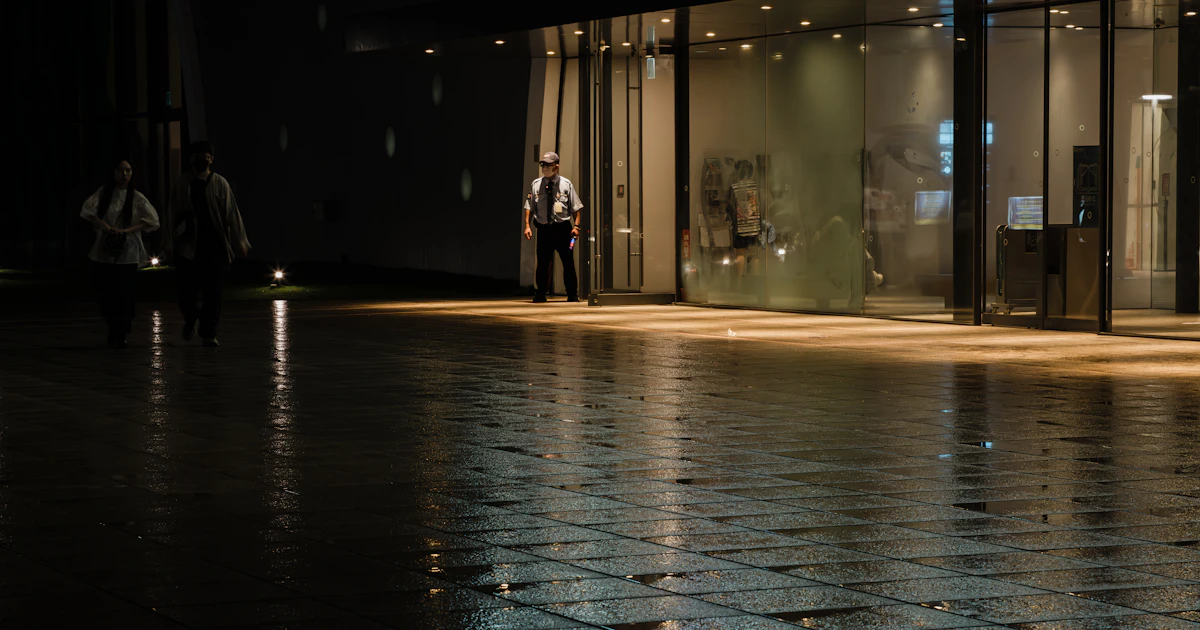
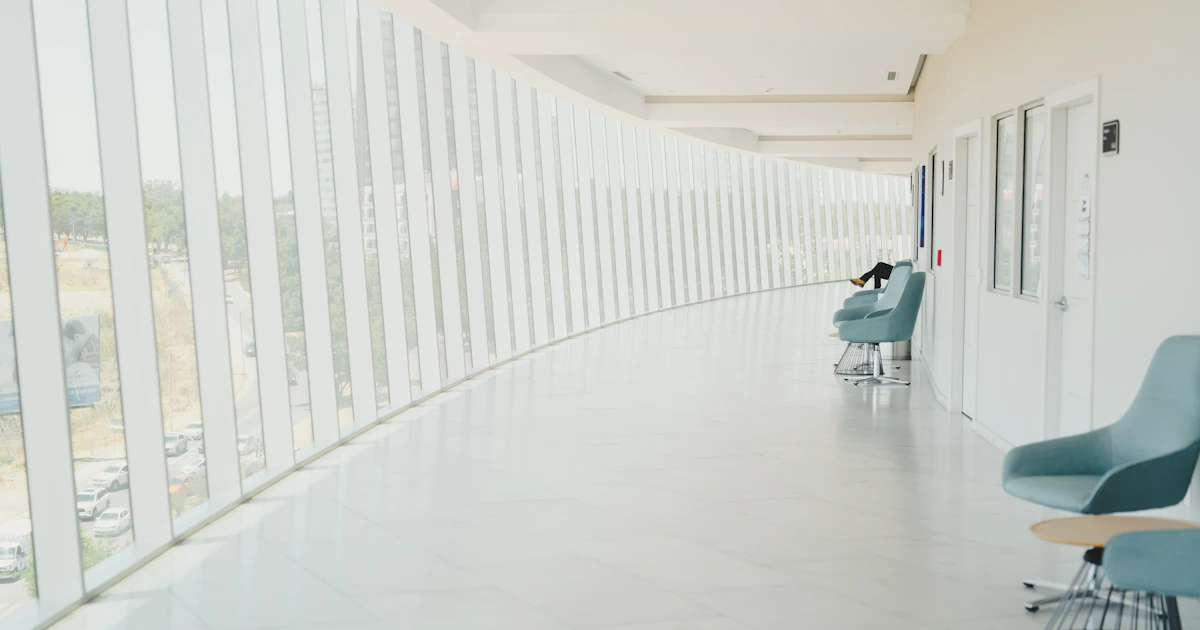
Hospital security never stops. Emergency departments are busy and sometimes volatile at 3 a.m., main entrances and car parks must stay open, and sensitive areas such as maternity units, pharmacies and records rooms need careful protection. Gaps in coverage are not just a contract issue in a hospital; they can put patients and staff at risk.
DutyFlex helps hospital security teams and the security companies that serve healthcare clients keep every post covered 24/7, verify patrols through wards and corridors, and maintain the records healthcare audits require.
The security challenges of hospitals and healthcare
- 24/7 critical posts. Emergency departments, main entrances and reception desks need continuous cover, including on public holidays.
- Violence and aggression risk. Emergency departments and some wards need officers who are present, trained and not stretched across too many areas.
- Sensitive areas. Maternity and children's wards, pharmacies, records stores and plant rooms need regular checks.
- Large, complex buildings. Long corridors, multiple wings and many exits make patrols hard to verify.
- Strict governance. Healthcare providers expect clear records of who was on duty and when, often for internal audits and regulators.
How DutyFlex supports hospital security
No uncovered critical posts
Officers check in on arrival inside the hospital's geofence, with a QR code at the emergency department or main entrance desk confirming they reached their post. Supervisors are alerted immediately if a critical post is not staffed. Our guide to staffing a post around the clock shows how to calculate officer numbers.
Verified patrols through wards and corridors
Place QR checkpoints at ward entrances, pharmacy doors, stairwells, plant rooms and car park levels. Each scan is time-stamped, giving clear evidence that patrols covered sensitive areas.
Audit-ready records
Every check-in, check-out and change to attendance is recorded in DutyFlex's audit log, so you can show exactly who was on duty, where and when, for any shift.
Rosters built for continuous care
Plan long-running 24/7 rotations with relief officers who are inducted on hospital procedures, and see coverage across the whole site on one schedule. Our scheduling guide covers fatigue and fair rotation.
Officer records and identification
Store every officer's photo and identity documents against their employee record, then print branded ID cards so nurses and doctors can recognise security staff at a glance. See what to include on a security ID card.
A typical hospital deployment
| Post | Typical coverage | How DutyFlex verifies it |
|---|---|---|
| Emergency department | 24/7 | Geofenced check-in plus department QR code |
| Main entrance and reception | 24/7 | QR code at the reception desk |
| Ward and corridor patrol | Regular rounds, day and night | Checkpoints at ward entrances and stairwells |
| Car parks | Evenings and nights | Checkpoints on each level |
Frequently asked questions
How do hospitals make sure security posts are never left empty?
They verify every officer's check-in at the post itself and alert supervisors as soon as a critical post such as the emergency department has no check-in at the start of a shift.
What security records do hospitals need to keep?
Typically who was on duty at each post, patrol completion and any changes to attendance, with a clear audit trail. Exact requirements depend on the hospital's policies and local regulations.
Can DutyFlex be used by an in-house hospital security team?
Yes. It works for in-house hospital security departments as well as security companies providing officers to healthcare clients.