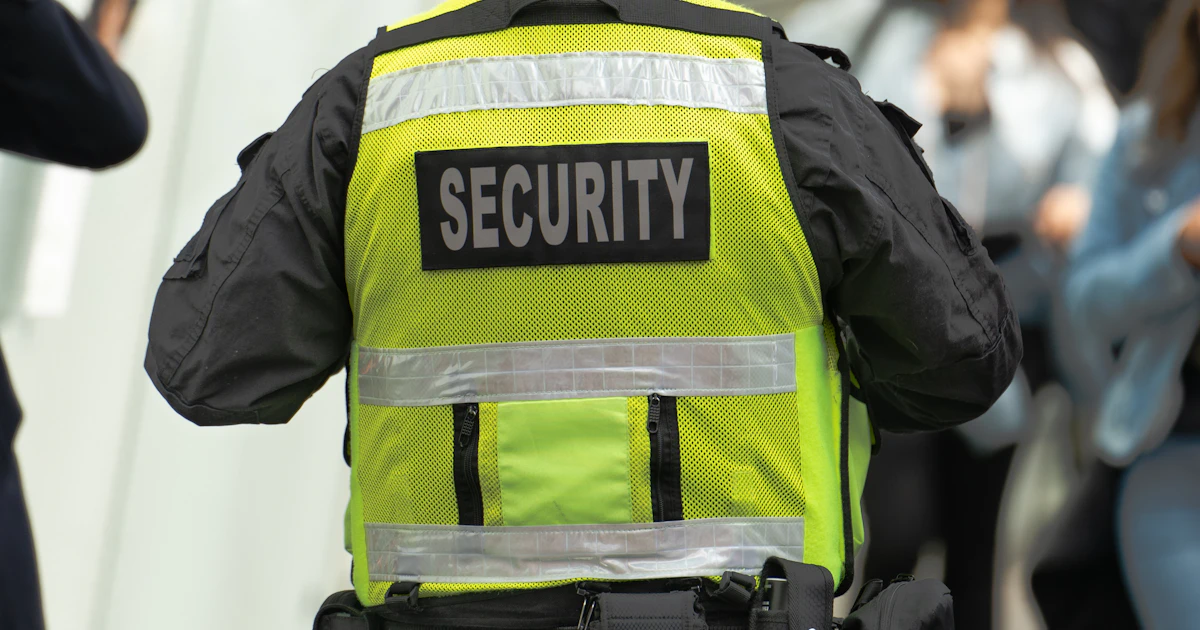

A security guard ID card does more work than it appears to. It tells the public and the client who the guard is and who they work for, helps site staff confirm that the person at the gate belongs there, and in many places it sits alongside a licence the guard is legally required to carry. A sloppy, outdated or easily copied card undermines all of that.
This guide covers what a security guard ID card should include, design and anti-forgery tips, how to issue, replace and revoke cards, and how to keep the employee records behind each card accurate.
Company ID card vs security licence
Before designing anything, separate two things that are often confused:
- A government or regulator-issued security licence (where your country has one) proves the guard is legally allowed to work in security. Its format is set by the regulator, and guards may be required to wear or carry it on duty.
- A company ID card is issued by your security company. It identifies the guard as your employee and is used for client sites, access control and public recognition.
Your company ID card does not replace a required licence. Check your local rules on what must be displayed on duty, and design your card to sit alongside the licence, not to be confused with it.
What to include on a security guard ID card
A clear company ID card usually includes:
- Company name and logo, prominent enough to recognise at a distance
- A recent photo of the guard, front-facing with a plain background
- Full name, or the name your policy allows to be displayed
- Employee code or ID number, unique to the guard
- Role or designation, such as security officer or supervisor
- Company contact details: phone number and address, so anyone can verify the card
- Validity or issue date, so outdated cards are easy to spot
- A "property of" or return statement, with instructions if the card is found
Optional additions, depending on your policy and local privacy rules:
- the guard's licence number, if regulations allow or require it
- emergency contact or medical information (consider privacy carefully before printing this)
- a QR code or barcode linking to a verification page or access system
- a signature from an authorised person
Avoid printing more personal information than you need. A home address, for example, rarely belongs on a guard's ID card.
Design tips for clear, professional cards
- Use your brand consistently. The same logo, colours and layout on every card makes fakes stand out.
- Prioritise legibility. Name, photo and company should be readable at arm's length.
- Use colour to show role or access level, such as a different band colour for supervisors, if that helps site staff.
- Keep photos current. Replace photos when a guard's appearance changes significantly, and at least when the card is renewed.
- Print on durable card and use a protective holder or lanyard suited to the job: breakaway lanyards are safer for many roles.
Anti-forgery and verification
A card is only useful if it is hard to copy and easy to check:
- Include a unique employee code that site staff can verify with your control room.
- Add a QR code or barcode that links to a verification record or your access control system, if you have one.
- Consider holographic overlays or watermarks for high-security sites.
- Publish a verification phone number on the card so clients and the public can confirm a guard's identity.
Issuing, replacing and revoking ID cards
The process around the card matters as much as the design.
Issue
Issue a card only after onboarding is complete: identity verified, licence checked, background checks done as allowed by local law, and contract signed. Record the issue date and card number against the employee.
Replace
Replace cards when they are lost, damaged, when a guard's role changes, or when the card's validity date passes. Record lost cards and deactivate any access linked to them.
Revoke
When a guard leaves, collect the card on their last day and record it as returned. If it is not returned, record that too and deactivate linked access. An ex-employee with a valid-looking card is a real security risk.
Keep the records behind the card up to date
The card is only as accurate as the employee record behind it. Keep one profile per guard with:
- identity documents and photo
- licence number and expiry date
- training certificates and expiry dates
- current site assignments
- card issue date, card number and status (active, lost, returned)
Set reminders before licences and certificates expire, so guards are never deployed with lapsed documents. This becomes essential once you run many sites: see managing multiple client sites.
ID cards for new security companies
If you are just starting out, get your card design and issuing process right from the first hire. It is much easier than redesigning cards for a hundred guards later. Our guide on how to start a security guard company covers the other early steps.
DutyFlex stores each guard's employee record, including their photo and identity documents, and generates branded ID cards from those records with your company logo, the guard's photo, name, employee code and contact details, ready to download as PDF or PNG for printing.
Frequently asked questions
What should be on a security guard ID card?
Company name and logo, a recent photo, the guard's name, a unique employee code, role, company contact details for verification and an issue or validity date. Add a licence number or QR code if your policy and local rules call for it.
Is a company ID card the same as a security licence?
No. A security licence is issued by a government or regulator where one exists and proves the guard may legally work in security. A company ID card identifies the guard as your employee. Guards may need to carry both.
How often should security guard ID cards be renewed?
Many companies renew cards every one to two years, or when a guard's role, photo or details change. Always replace lost or damaged cards immediately and collect cards when a guard leaves.
How can you stop security ID cards being forged?
Use consistent branding, a unique employee code, a published verification phone number, and optionally a QR code linked to a verification record or holographic overlays for high-security sites.