
Event security is guarding at speed. A concert, festival, sports fixture or conference may need dozens or hundreds of security staff for a single day, many of them casual or relief workers, with posts that only exist for the event. The roster has to be right before gates open, and the invoice has to be right the week after.
DutyFlex helps event security companies and venue security teams assign staff to posts, confirm everyone is in place on the day and turn hours worked into payroll and client invoices quickly.
The security challenges of events and venues
- Large, temporary teams. Event teams are built for each job, often mixing core staff with casual workers who have not worked together before.
- Post plans that change late. Gate allocations, stage barriers and VIP areas are often finalised days before the event.
- Everyone must be in place at once. Doors open at a fixed time, and missing staff are noticed immediately by crowds and organisers.
- Fast, accurate payment. Casual staff expect to be paid correctly and quickly, including overtime when events overrun.
- Clients who check hours. Organisers compare invoices with the staffing plan and question any differences.
How DutyFlex supports event security
Rostering a large team quickly
Set up the event as a site, create shifts for each area, and assign staff to them in one schedule. Late changes to the post plan are made once, so everyone works from the same version. Our guard scheduling guide covers building rosters that survive last-minute changes.
Knowing who has arrived before doors open
Staff check in on the DutyFlex app when they arrive, verified by the venue's geofence. Supervisors see who is on site and who is missing, so gaps can be filled before the crowd arrives.
Proof of presence at each post
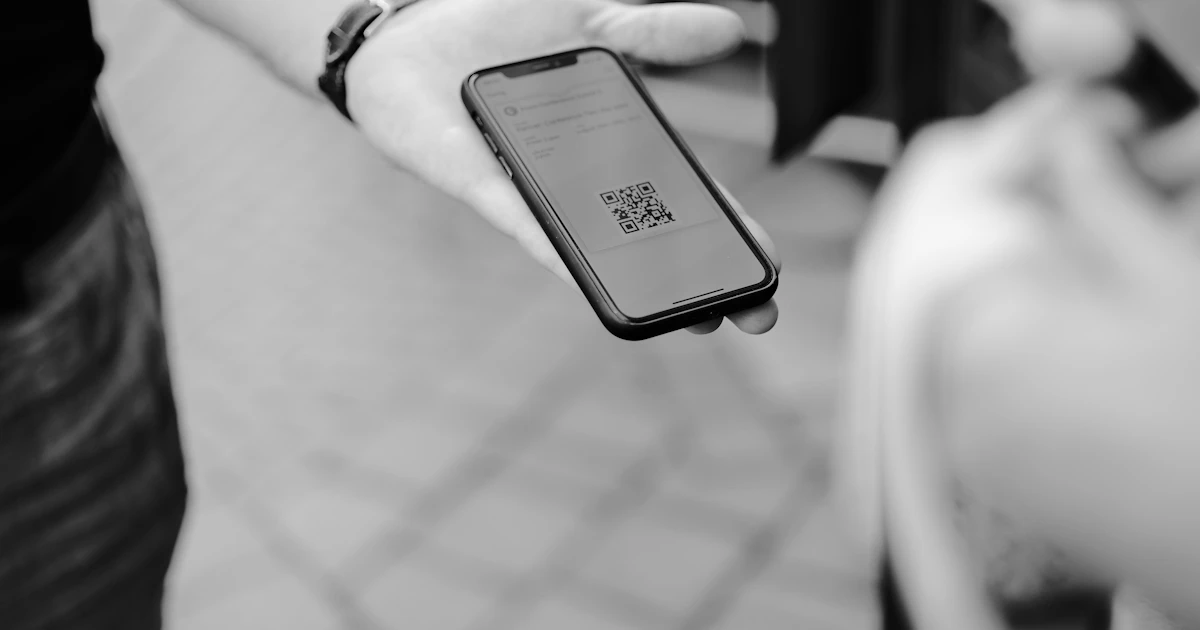
Use QR codes at key areas such as entry gates, stage front, backstage and car parks, so staff confirm they have reached their assigned positions, not just the venue.
Hours that flow into payroll
Check-in and check-out times become hours worked for each person, including overruns, so payroll is prepared from verified attendance rather than paper sign-in sheets.
Invoicing each event
Generate the organiser's invoice from the same verified hours, with lines for each area or role and any extra staff requested on the day. See how to invoice security clients accurately.
A typical event deployment
| Post | Typical coverage | How DutyFlex verifies it |
|---|---|---|
| Entry gates and search lanes | Doors open to peak entry | Venue geofence plus gate QR code |
| Stage front and barriers | Show duration | QR code at the barrier position |
| Backstage and artist areas | Build to load-out | QR code at access points |
| Car parks and egress routes | Arrival and departure peaks | Check-in at each zone |
Frequently asked questions
How do event security companies manage large casual teams?
They build a roster per event with shifts for each area, have every staff member check in on arrival with location verification, and use the resulting hours for payroll and the client invoice.
How do you confirm security staff are at their assigned posts?
Place QR codes at each area. Staff scan the code at their post after checking in, confirming they reached the right position at the right time.
How quickly can event hours be invoiced?
As soon as staff check out, their verified hours are available for billing, so an invoice can be produced straight after the event rather than after days of reconciling sign-in sheets.